Bionic-arms advocate Tilly Lockey brings prosthetics message to Allentown

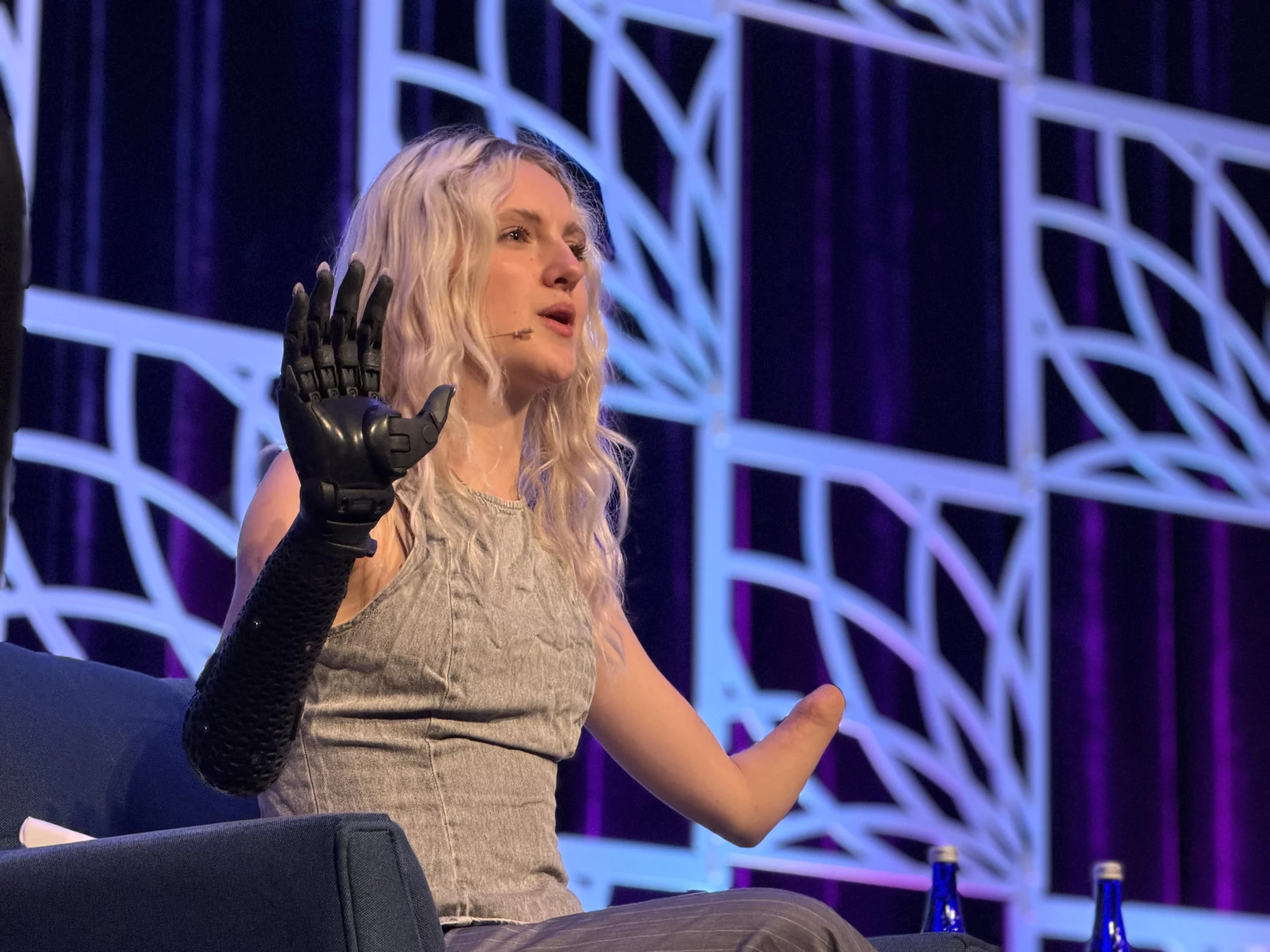
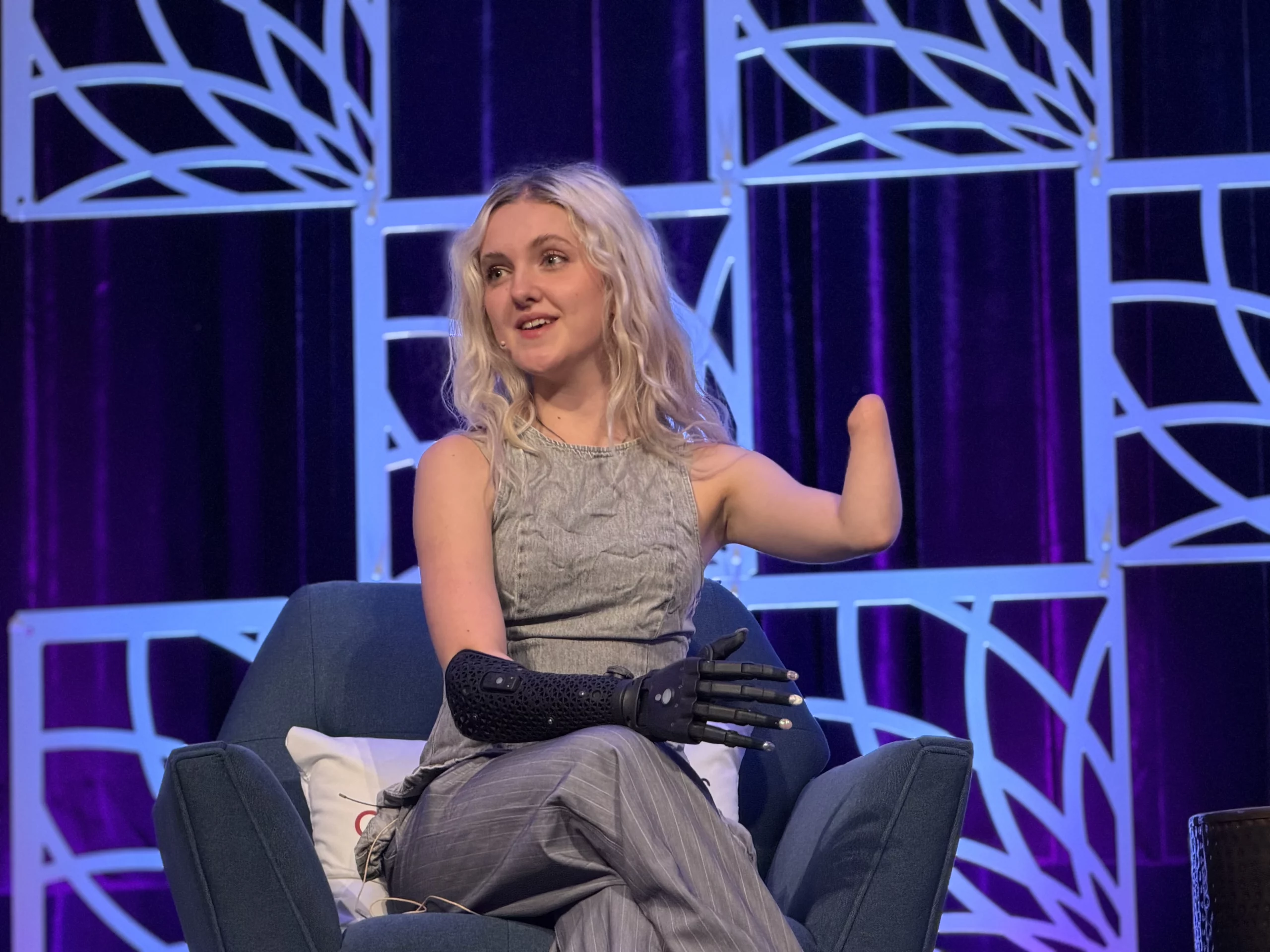
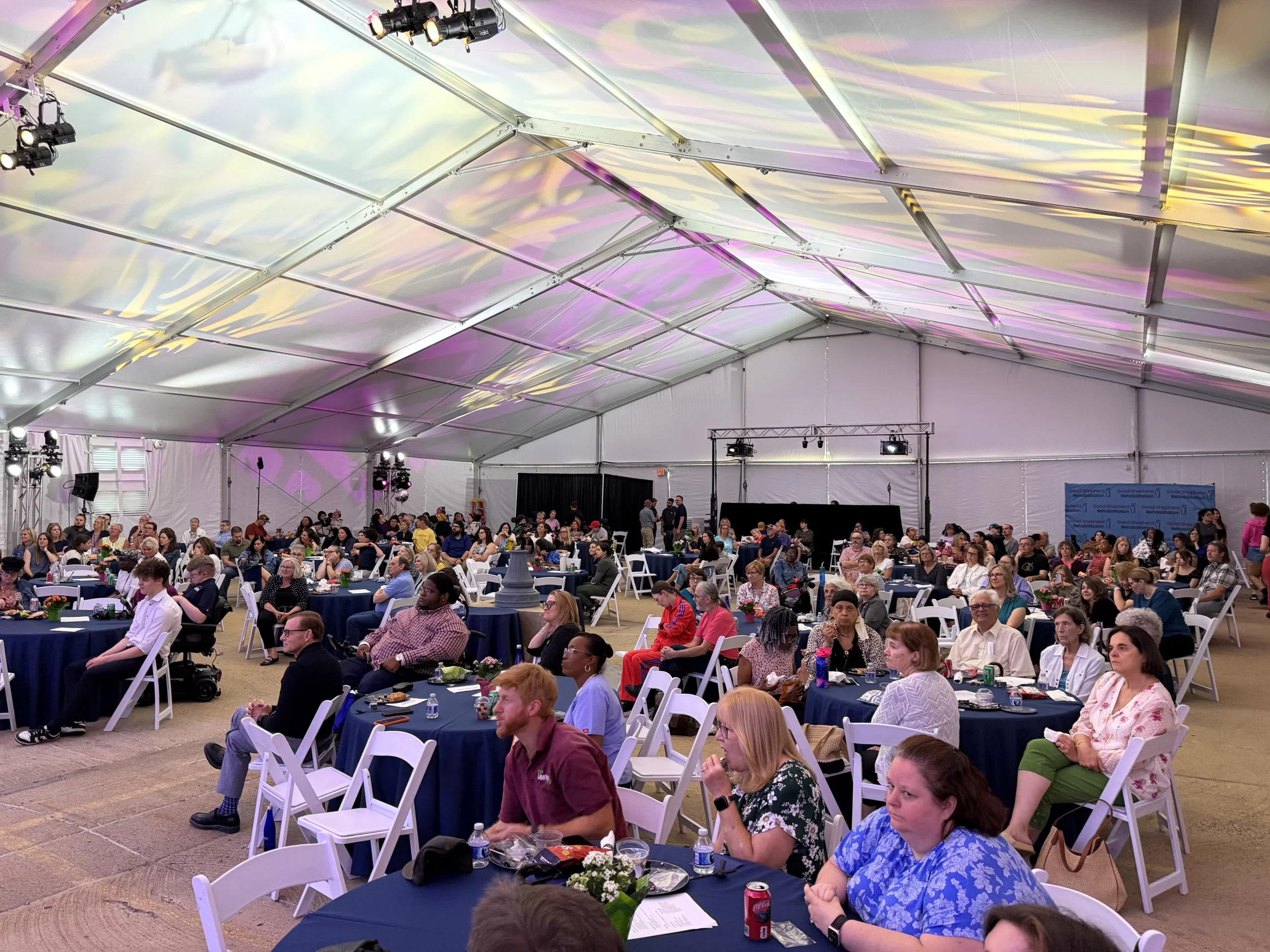
ALLENTOWN, Pa. — British speaker and disability advocate Tilly Lockey told a Good Shepherd Rehabilitation audience Wednesday that the future of medical technology should not be built for people with disabilities without them.
Lockey, 20, who lost both hands after contracting meningococcal septicemia as a toddler, spoke at Good Shepherd’s South Allentown Campus as part of Good Shepherd Rehabilitation’s 2026 Boundless speaker series. Her keynote centered on prosthetics, disability stigma and the role users should play in shaping the devices they rely on every day.
“The question that allowed me to break barriers in the first place,” Lockey told the crowd, “is, ‘What do you want?’”
The free public event brought Lockey’s story to an Allentown-based rehabilitation network that treats patients recovering from spinal cord injuries, brain injuries, strokes, major trauma and other complex conditions. Lockey used her experience with prosthetics to argue that medical technology should be shaped by the people who use it — not only by the companies and clinicians who build or prescribe it.
Lockey said rehabilitation has been “a massive part” of her life. She was 15 months old when her family first noticed a rash, she said. Doctors initially diagnosed an ear infection, but her condition quickly worsened. She said her family was told she likely would not survive.
Stay informed on Lehigh Valley health & wellness
Get the latest health & wellness news and updates from across the Valley.
By subscribing, you agree to our Privacy Policy and consent to receive updates.
She did survive, but doctors amputated both of her hands.
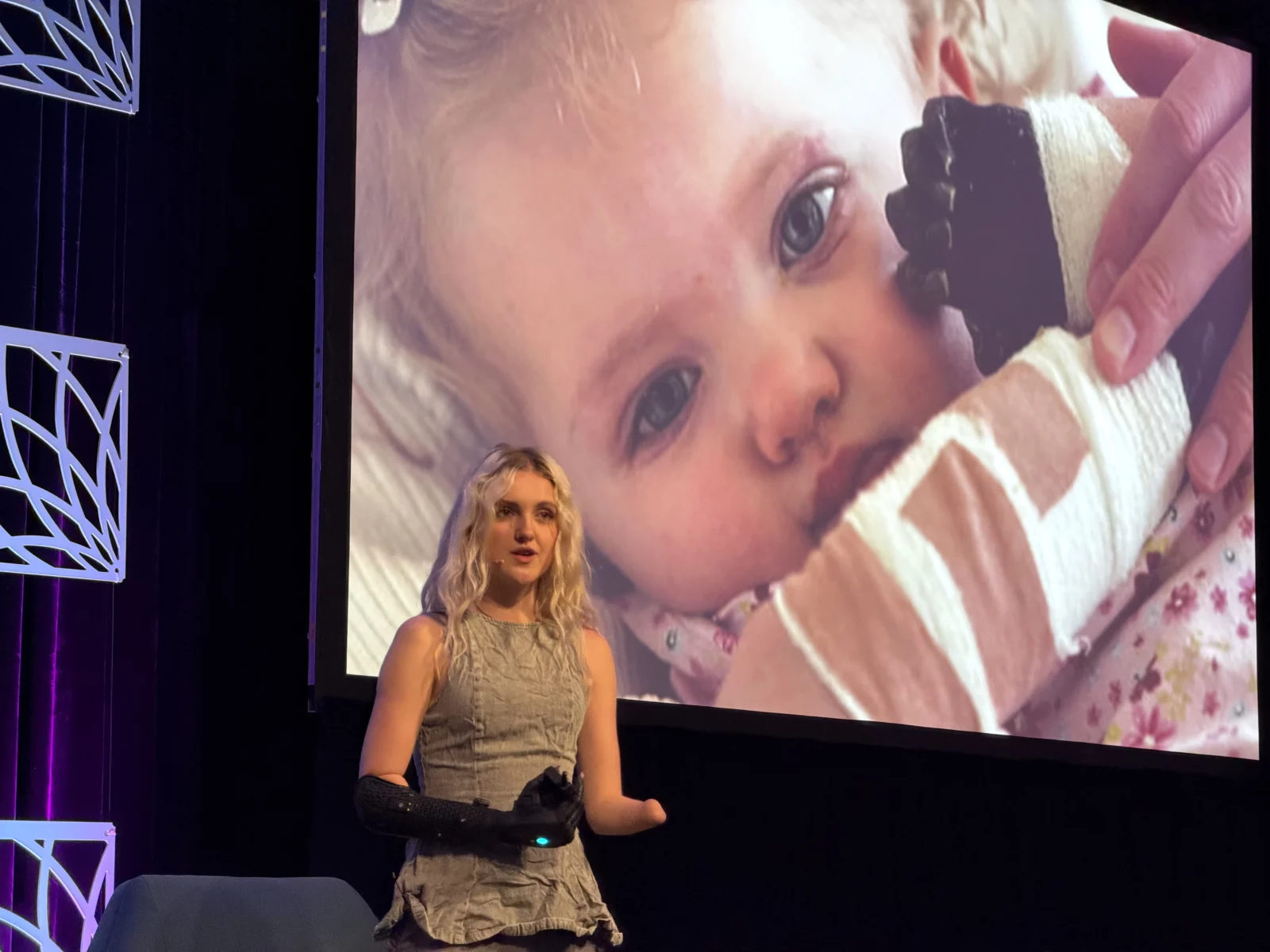
“How do you figure out life without hands in a world that was designed for people with all four limbs?” Lockey said.
Lockey said her family’s approach was to face each problem as it came. She recalled being a child who assumed she could not open a door because she did not have hands. Her mother refused to open it for her, telling her to try first.
Lockey said the small victory changed how she saw herself.
“That really was the moment in my life I realized, yes, I could ask people for help,” she said. “But I also have a choice, and I can try.”
Stay informed on Lehigh Valley health & wellness
Get the latest health & wellness news and updates from across the Valley.
By subscribing, you agree to our Privacy Policy and consent to receive updates.
Much of Lockey’s talk focused on how prosthetic technology has changed during her lifetime — and how, in her view, it failed users for too long.
Her first prosthetic, she said, was a metal-and-elastic device operated by a harness and strings. Later, she was given a silicone prosthetic designed to look more natural, but not to function. Lockey said she was told it would make her look “more normal” in public.
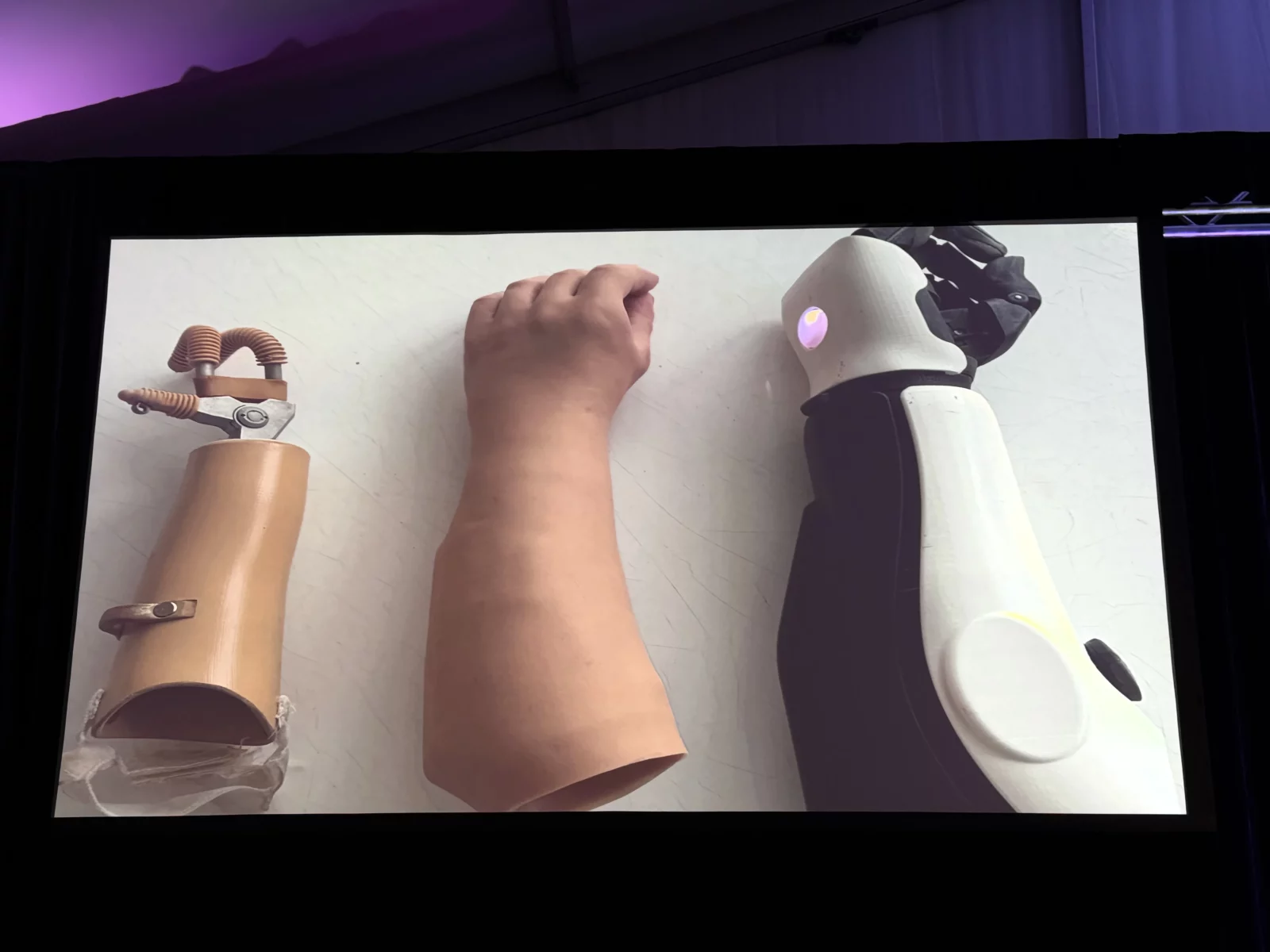
The message, she said, was damaging.
“I was never trying to hide my difference,” Lockey said.
Lockey said realistic-looking prosthetics often drew more attention because they looked lifelike but moved robotically. She described feeling watched in public as people tried to determine whether the hands were real.
That experience helped shape three priorities she wanted future prosthetics to meet: They did not have to look lifelike, they had to help with everyday tasks and they had to make the user feel good.
Lockey later began working with Open Bionics, a British prosthetics company that makes bionic arms. She said the company asked her a question she had not heard from earlier prosthetic makers: “What do you want?”
That question, she said, changed the process.
Lockey has since become a prominent user and tester for the company, helping demonstrate and shape bionic arms that emphasize both function and design. She told the Allentown crowd that user feedback is essential, not optional, in medical technology.
“You are the spokesperson for what you use, if you want to be,” she said.
During the presentation, Lockey showed how her bionic hands work and discussed newer Open Bionics devices, including the Hero PRO and Hero RGD, a rugged bionic hand. She said her prosthetic hands are controlled by EMG sensors that detect muscle activity in her residual limbs.
Squeezing and flexing allow her to open and close the hand and cycle through grip patterns. Lockey also demonstrated the hands’ detachable design, removing one hand and setting it on the floor as it crawled — a feature she compared to Thing from “The Addams Family.”
The technology is not seamless, she said. She still wants better wrist movement, grip sensors and feedback that would allow users to feel pressure, heat or cold. But she said artificial intelligence could eventually make prosthetics more intuitive by learning how a user prefers to move and grip objects.
“When you’re using prosthetics, they come second nature to a certain extent, but you are thinking about what you’re doing,” Lockey said. “AI will sort of take that thought process out of it a little bit.”
Lockey also spoke about the emotional side of prosthetics. She said wearing bionic hands has helped her communicate more openly, including by using hand gestures when she speaks. She said people often see disability first and underestimate what disabled people can do.
“The biggest assumption is maybe that you can’t do things,” Lockey said. “I can. I just have to do it slightly differently.”
Audience members asked about heat, sensation, sports, school, weight limits, attachments and what advice Lockey would give to people who are talked down to or told they cannot do something.
Her answer was blunt.
“I take a very stubborn approach,” she said. “I just make it happen.”
Technology can be frightening, she said, especially as artificial intelligence and robotics advance. But Lockey told the crowd that medical devices show how technology can also restore ability and expand independence.
“It’s giving people limbs back, sight back, the ability to walk again,” Lockey said.
The safeguard, she said, is co-design: involving the people who will actually use the technology.
“We’re heading toward inevitable change,” Lockey said. “But within that, we have a choice.”
Lockey said one of her long-term goals is to continue helping develop technology that gives people more independence and confidence. She also said her broader mission is to show people they do not have to hide what makes them different.
Stay informed on Lehigh Valley health & wellness
Get the latest health & wellness news and updates from across the Valley.
By subscribing, you agree to our Privacy Policy and consent to receive updates.