

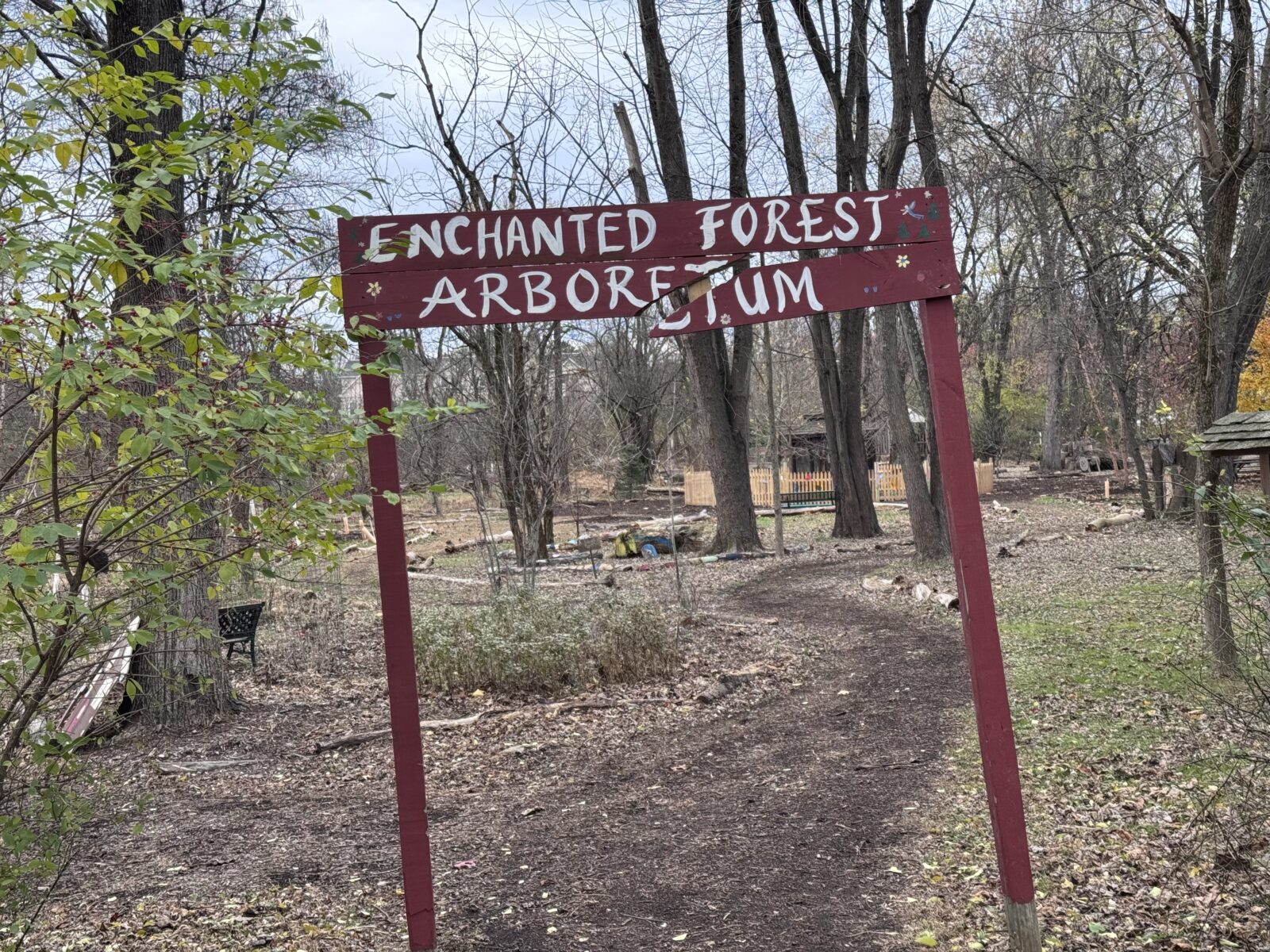
BETHLEHEM, Pa. — On an ordinary drive through North Bethlehem, it’s easy to pass Camel’s Hump farm without a second glance. The gravel drive blends into the trees off Santee Mill Road, with no big sign, no billboard, no hint that beyond the bend lies 44 acres of open space filled with goats, gardens and the echoes of Bethlehem’s past.
But Camel’s Hump is more than just a farm.
“Children are really what got me here,” said Victoria Bastidas, founder and director of Friends of Johnston, recalling how a group of neighborhood kids first led her to the property in 2008.
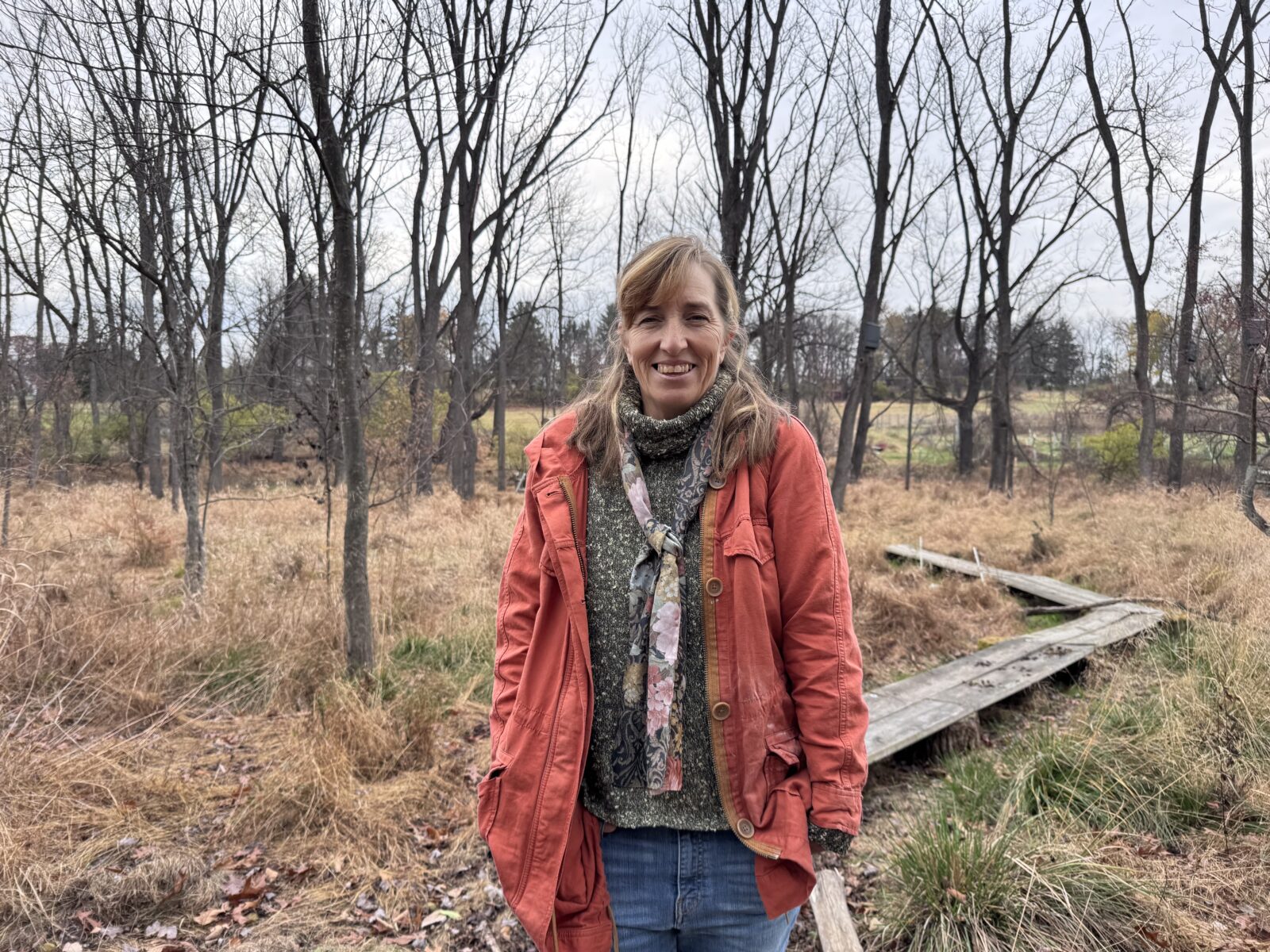
Since then, the nonprofit has transformed the space into a hub for hands-on learning, from summer camps for kids with special needs to Stewardship Saturdays, where volunteers plant trees and restore wetlands.
“Most people do drive by because we don’t have any signage,” Bastidas said. “They have no idea there’s a free nature education center that’s open every day.”
What began as a patch of neglected land more than a decade ago is now a sanctuary for both people and wildlife — a place where families can come to walk, where college students trade laptops for shovels, and where children learn how to grow food and care for animals.
A century ago, this land belonged to Archibald Johnston, Bethlehem’s first mayor and the first president of Bethlehem Steel. When the property was at risk, Bastidas moved quickly to save it.
“It was either going to become a strip mall or high-rise apartments,” Bastidas said. “We formed a nonprofit overnight.”
Today, the Friends of Johnston manage the historic 3.5-acre farm and the surrounding space, using it as a living classroom where sustainability, community, and history meet.
“We are here to provide a space for the practical skills that may not have been taught to this generation,” Bastidas said. “This includes being able to grow food for their families, learning how to fix things on your own, and more.”
Recently, the farm hosted a mock election to teach children about civic engagement. Bastidas explained that many schools don’t provide enough practical lessons on government, so the farm brings it to life.
“We had kids, ages 5 through 13, talk about what a county executive is, our form of government, and what the county council is, and then we held an election,” she said.
Each child wrote a platform with three priorities and presented their ideas, while older children helped younger ones develop theirs. In the end, two co-executives, four council members, and two constituents were elected to mirror real-life government structures.
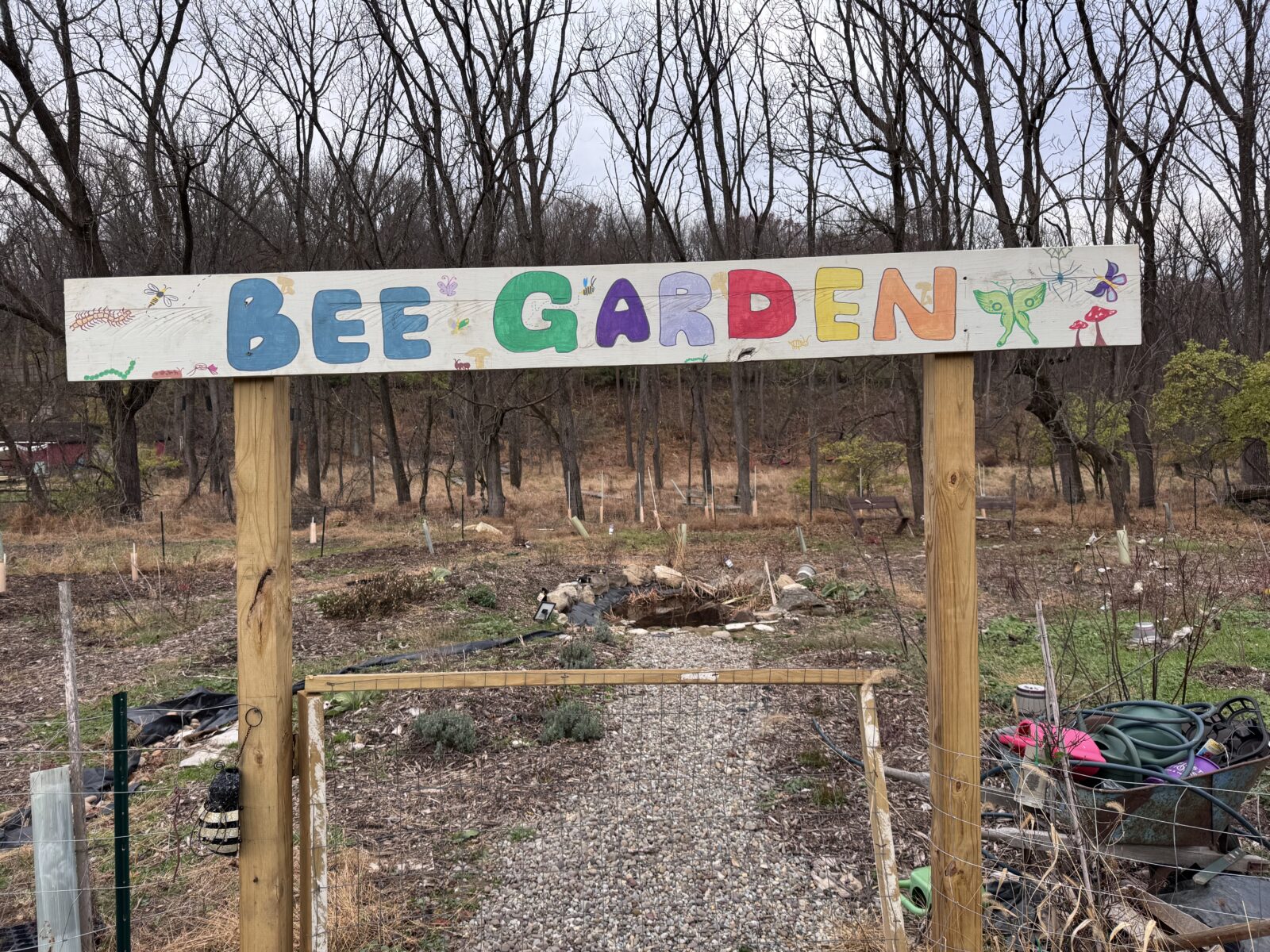
“The children’s promises ranged from planting flowers in the bee garden to wanting to help feed the poor,” Bastidas said. “These children are truly aware of what is going on around them, and we work on projects that make sure they are recognized in that way.”
The farm’s Stewardship Saturdays allow volunteers of all ages to contribute to larger-scale projects.
“We work with local colleges, community members, even Northampton County Corrections on work-release projects,” Bastidas said. “People come together to plant trees, restore wetlands, and care for the animals. The projects may be big or small, but everyone leaves with their hands dirty and a sense of accomplishment.”
Beyond hands-on projects, the farm also hosts seasonal events to bring the community together.
The farm is planning a Thanks for Giving event after the holidays to celebrate the generosity of its volunteers and supporters.
“We’re going to get musicians to come and perform,” Bastidas said. “We’ll also prepare a meal for everyone, and they can take it home with them.”
Bastidas said the farm is always seeking new volunteers.
“What we’re looking for is your superpower,” she said. “Sometimes people think that has to be something really big, and it doesn’t. Your superpower can just be being a nice person.”
Those interested in volunteering can sign up on the farm’s website or email Bastidas at victoriabastidas01@gmail.com.
“Children in many regular daycares now are stuck in concrete walls, and they really don’t get to be outside as much,” Bastidas said. “The amount of engineering, physics — all things inspired by being outside — are things these kids don’t get a chance to do. If you’re constantly being told what to do, you lose creativity. Here, they get to experiment, explore and problem-solve.”
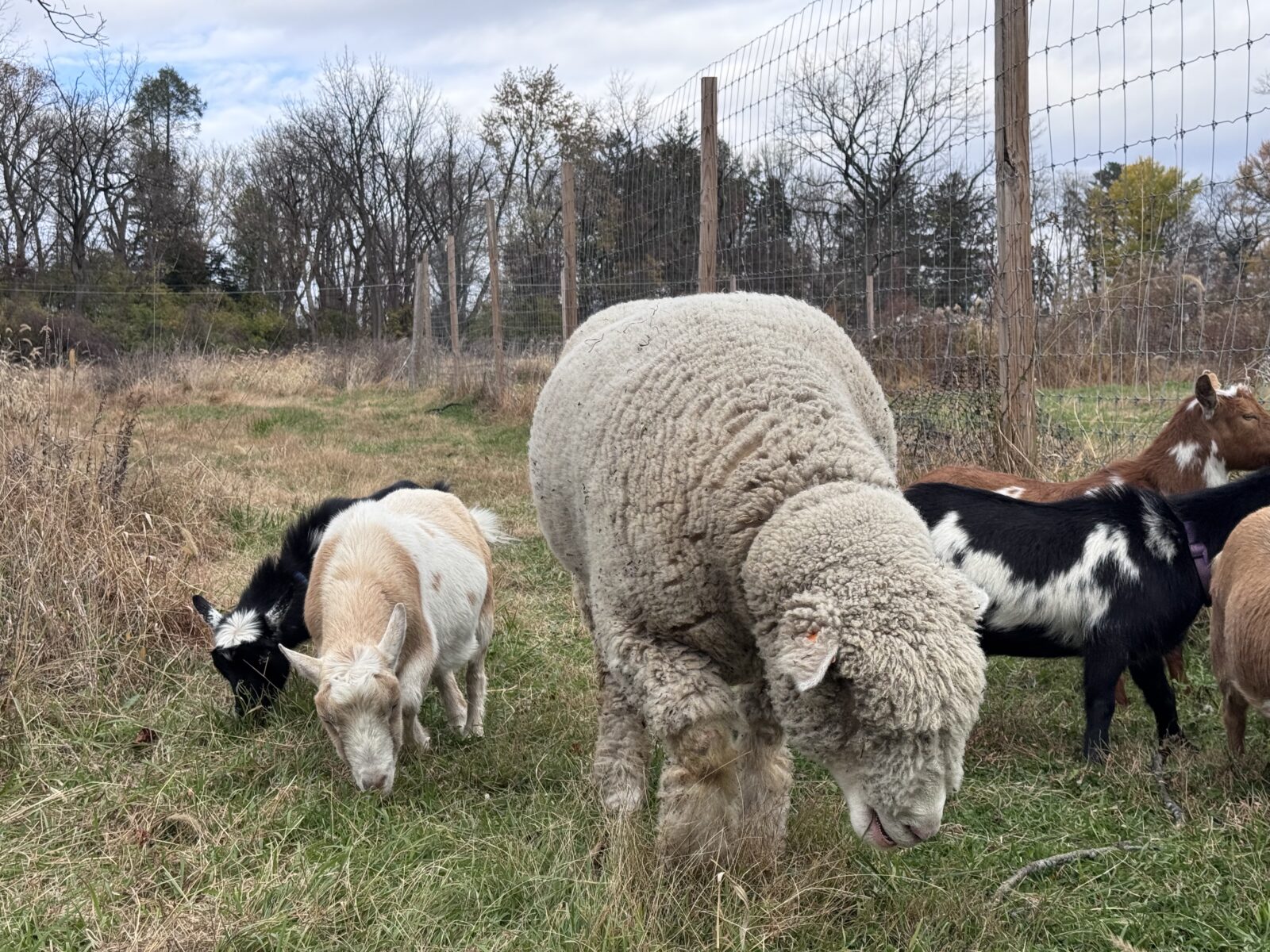
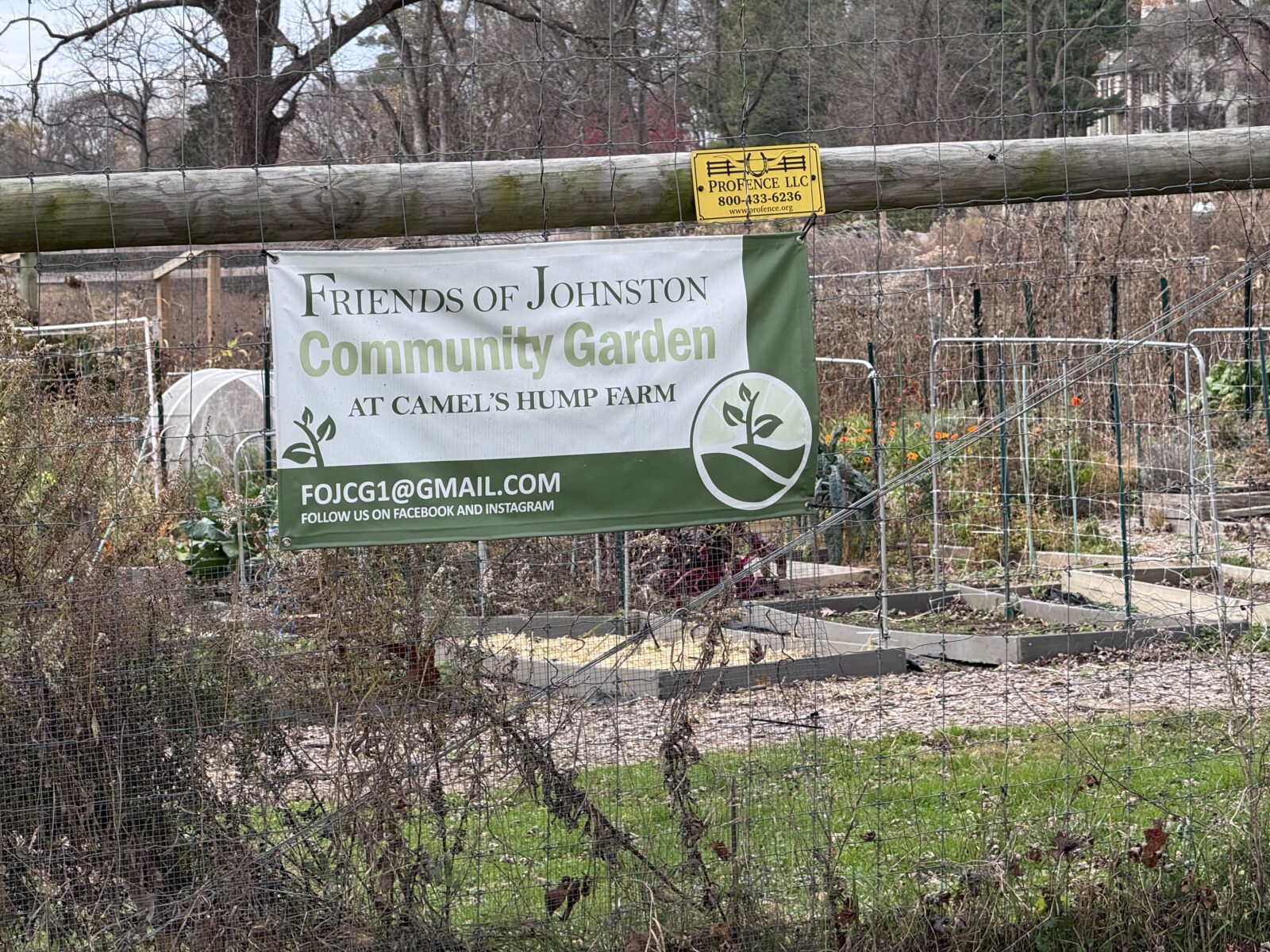
The farm is open daily from 9 a.m. to 5 p.m. and is free for anyone who stops by. Families can walk the trails, play on the nature-based playground, or visit the goats and chickens. Those who want to get more involved can rent a plot in the community garden or tend fruit trees in the orchard.