‘We value the arts and our customers’: Moravian Book Shop bans AI-generated books

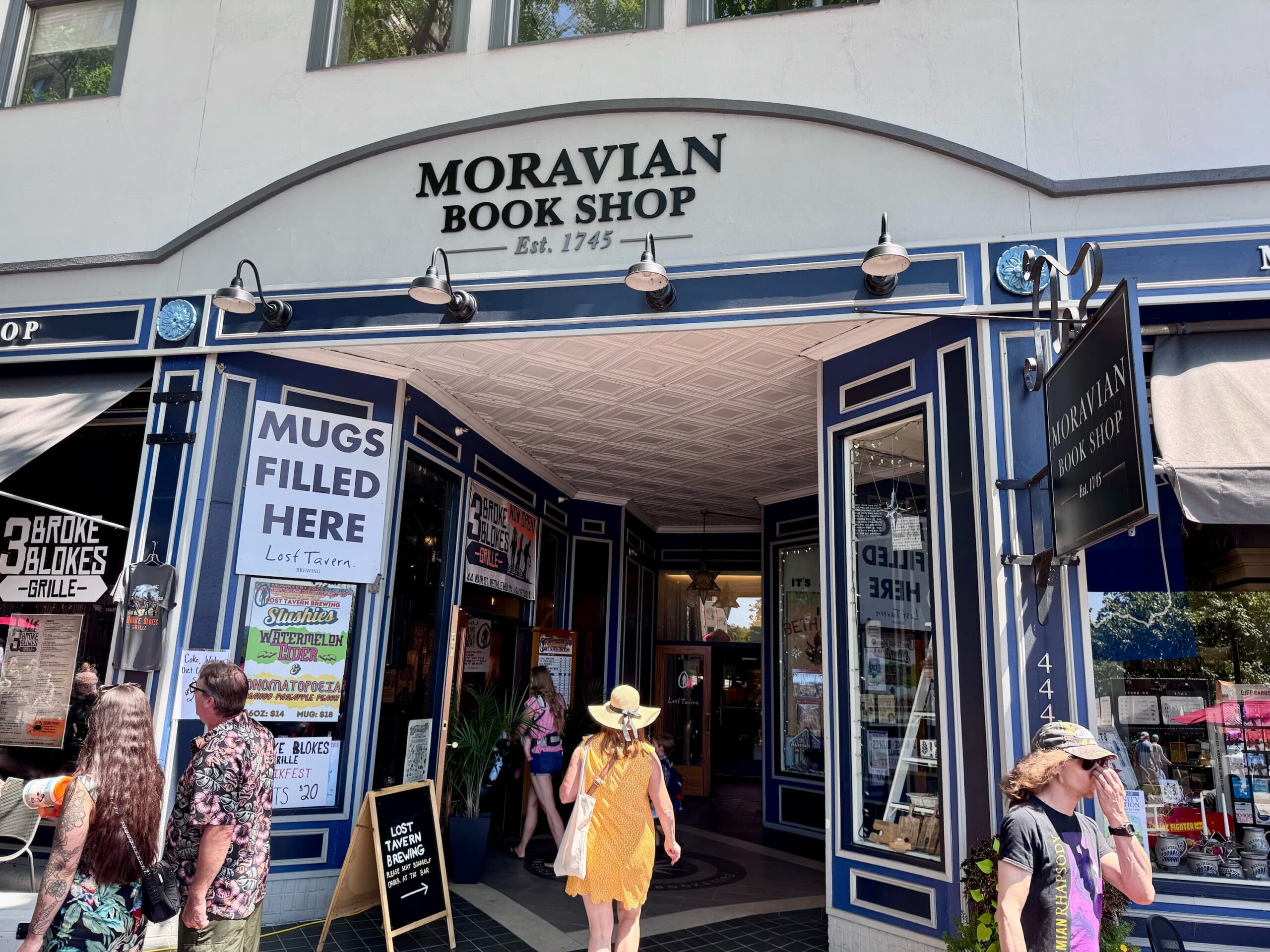
BETHLEHEM, Pa. — The Moravian Book Shop in Bethlehem, America’s oldest continuously operating bookstore, recently announced it will no longer carry books that rely on artificial intelligence, or AI, in their writing or cover design.
With the decision, the historic shop joins a growing number of voices pushing back against the use of AI in publishing.
Gail Schoepple, trade book manager at the Moravian Book Shop, said the policy was driven by a desire to protect the integrity of creative work and support human authors, editors, and artists.
“The use of AI in the book industry is something I think most people in the field disapprove of,” Schoepple said. “Not only is AI bad for our environment, but you lose the spark and passion of human creation.”
Schoepple said the shop has already turned away multiple titles after learning AI had been used — including one case where an author admitted their publisher had chosen the AI-designed cover.
Stay informed on Lehigh Valley technology
Get the latest technology news and updates from across the Valley.
By subscribing, you agree to our Privacy Policy and consent to receive updates.
Another author, she said, didn’t respond.
“As soon as I noticed it, I made the decision not to allow it in the store — and as long as it’s in my power, it will remain that way,” she said.
To vet books, Schoepple said she checks for the names of editors and cover designers. If none are listed, she contacts the author or publisher directly. She noted that AI-generated content remains relatively easy to identify, particularly in visual formats.
Schoepple said the announcement was met with a positive response on social media, and she believes it reflects a broader desire to support human-made art.
“While some corporations value money and sales, as the trade manager of the Moravian Book Shop, I value the arts and our customers,” she said.
Stay informed on Lehigh Valley technology
Get the latest technology news and updates from across the Valley.
By subscribing, you agree to our Privacy Policy and consent to receive updates.
A growing movement
The Moravian Book Shop is not alone in its stance. In June, more than 70 bestselling authors signed an open letter urging major publishers such as Penguin Random House and HarperCollins to reject any books written, edited, or designed using AI tools.
The letter called AI-generated writing a form of artistic theft and argued that the technology is built on authors’ unpaid work, used without consent or compensation.
Local author Lainie Belcastro, who has sold books at Moravian and other venues, said she supports the policy.
“Most publishing houses right now are saying they’re absolutely not accepting anything with AI,” Belcastro said. “Some even go so far as to say they don’t want to hear that you used it for editing or research.”
Belcastro said she recognizes the usefulness of AI for research, but believes it cannot replicate the emotional core of a good story.
“Everything in life can change, but human emotion stays the same,” she said. “If you’re allowing AI to really write your story, you’re going to miss out on the emotions that really pull a reader in.”
She also warned about the rise of vanity presses that encourage writers to use AI tools, then charge thousands of dollars to publish their books.
“It’s enticing,” she said. “They say, ‘We’ll do the editing, the marketing, you just write the story.’ But I think that manuscript is often completely redone by AI.”
Schoepple said the bookstore’s position is ultimately about values and serving a community that still believes in the power of human storytelling.
“We want to remain reliable to our customers and community who wish to align themselves with local bookstores instead of bigger companies,” she said.
Stay informed on Lehigh Valley technology
Get the latest technology news and updates from across the Valley.
By subscribing, you agree to our Privacy Policy and consent to receive updates.