BETHLEHEM, Pa. — The Bethlehem Planning Commission voted 5-0 Thursday to approve plans for a data center along Route 22, after about 30 people spoke against it and none spoke in favor.
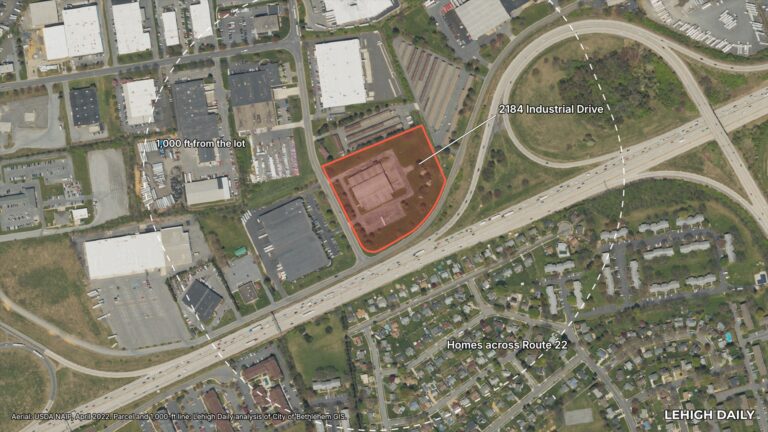
The commission, not City Council, rules on building plans like this one. The site, 2184 Industrial Drive, is in a district where council banned data centers in October, but this plan was filed first, so the new rules don’t apply.
Speakers asked the commission to say no or to wait. The commission’s lawyer, Matthew Deschler, said a state deadline for a decision would pass before its next meeting unless the developers agreed to more time. Commission members are appointed, he said, and their job is to apply the city’s rules to a plan, not to weigh whether people want it.
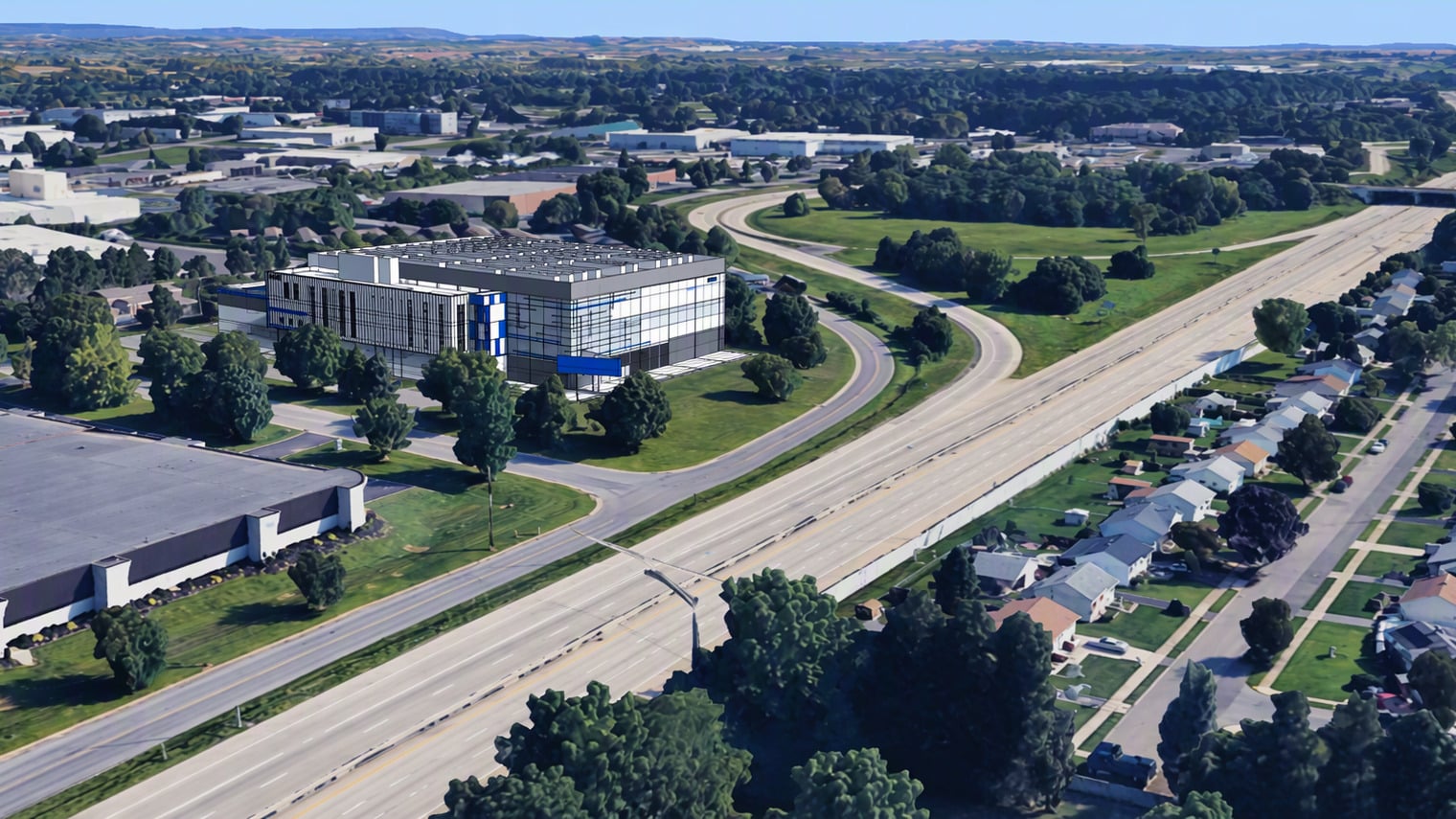
The developers plan a two-story, 131,380-square-foot building of computer servers that they say would draw about 120 megawatts of power.
The approval comes with conditions from a city review letter dated Nov. 11. The building must come within the city’s 60-foot height limit; one side now measures 63 feet, and city staff said the developers told them they can fix that. The developers must also answer in writing every study the new data center rules would require, though they don’t have to meet those rules.
Building permits can’t be issued until the state approves the project’s sewer plans and a stormwater permit is in hand, the letter says. Under an order Gov. Josh Shapiro signed in August, the state Department of Environmental Protection won’t issue permits for a data center until it has its local approvals, like Thursday’s.
The governor’s order also asks data center developers to sign a binding agreement to meet his standards on power costs, openness with the public, jobs and the environment. The state won’t even start reviewing permits for those who don’t sign until every local approval is in.
Before the final vote, the commission also voted 5-0 to grant three exceptions to the city’s site rules. One allows a steeper built-up earth slope along Avenue B. Another allows driveways 100 and 120 feet wide, where 35 feet is the limit. The third lets the developers pay instead of planting some of the trees the rules require.
That payment is $1,100 for each tree not planted, and the city uses it to plant trees elsewhere in Bethlehem, said Craig Peiffer, the city’s assistant director of planning and zoning. He put the total for this project at somewhere around $400,000.
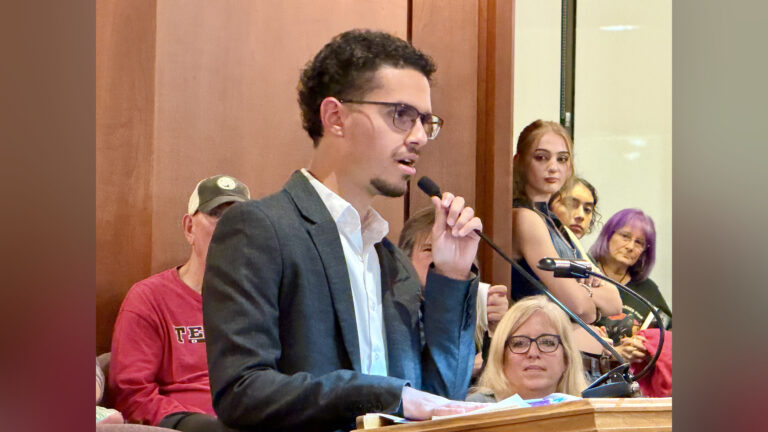
Several speakers told the commission it did not have to grant the exceptions. Laurel Chess said her house is 400 feet from the site and asked the board to reject the tree payment outright. “A fee does nothing for me,” she said. Others raised noise, air quality, strain on the power grid and property values.
Chair Robert Melosky said the commission must judge every project by the city’s rules. Its job is not to stand in the way of progress, he said, but to make sure progress happens responsibly and with protections. “I believe there’s a sound planning basis to support this,” he said.
The votes drew shouts of “Shame” from the audience, and amid interruptions, a warning came from the commission table that police would be called if order wasn’t restored. Most of the audience left after the final vote, and the room’s microphones were briefly turned off near the end of the meeting.
Boyle Construction, the applicant, presented the plan with Tensor IQ, a data center company. Three natural gas turbines in a pit 22 feet below ground would supply 20% of the building’s power at all times and could supply all of it in an outage, said Dylan Panebianco, Boyle’s vice president of operations. He said the project will meet the governor’s standards.
In September, the developers told the Lehigh Valley Planning Commission, the regional planning agency, that there would also be diesel generators for emergencies, according to its review.
The servers would be cooled by fluid that circulates in a closed system and is not topped off, Panebianco said. The turbines would use about 45 million gallons of water, which evaporates from their exhaust stacks to meet federal emission rules, he said. He did not say over what period. In September, the developers told the regional planners that figure had not been worked out.
Jonathan Houk, Tensor IQ’s chief executive, said the data center would employ 110 people and that the company would set aside part of its revenue for a community fund residents would help direct.
A second data center, at 3200 and 3700 Commerce Center Blvd., also gets reviewed under the old rules. Planning and Zoning Director Cathy Fletcher said in October she did not expect it before the Planning Commission until December or later.
We asked the city under the state’s Right-to-Know Law on Oct. 20 for both data centers’ full applications, including the studies filed with them. The city took a 30-day extension and expects to respond by Nov. 28.