The Allentown City Council adopted a new ordinance in April to combat predatory towing practices. The measure introduces stricter regulations for towing companies and private property owners to ensure fairness and transparency in vehicle removals.
The ordinance was introduced in response to public complaints about unclear towing procedures, excessive fees, and cash-only payment demands. Councilman Santo Napoli spearheaded the effort, citing a need for the city to act against “unfairly punitive” practices that disproportionately impact vulnerable drivers.
Under the ordinance, private property owners must post visible towing notices — at least 12 inches by 18 inches — displaying the name and phone number of the authorized towing company.
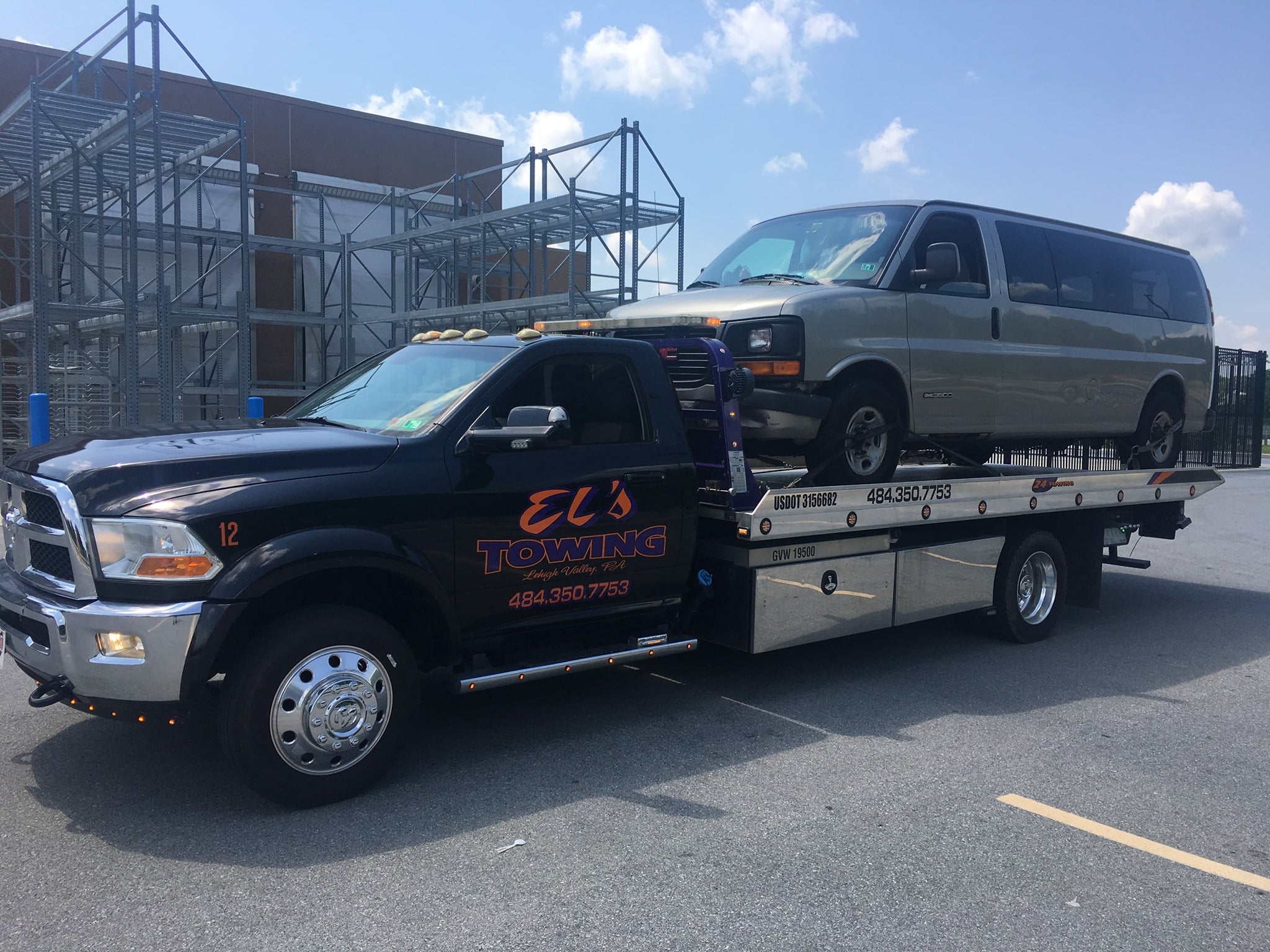
Towing companies must register with the city, carry at least $1 million in liability insurance, and report each tow to the Allentown Police Department within 30 minutes. To prevent price gouging, towing fees must comply with Pennsylvania law.
If a vehicle owner arrives before their car is towed, the company must release the vehicle. In such cases, operators may charge no more than half the standard towing fee.
Violators — including towing operators and property owners — face fines of $500 per infraction or the full amount charged to the vehicle owner, whichever is greater.
The complete ordinance, listed under File No. 15-7591, is available on the city’s legislative portal.
City officials said the ordinance protects drivers from exploitative practices while preserving property owners’ rights to manage parking on their premises.
“This was an opportunity to really protect residents that are struggling or living check to check, to not have this exorbitant fee that they have to deal with,” Napoli said after the ordinance passed.