Parkland School District discusses concerns for proposed Atlas Data Center near high school

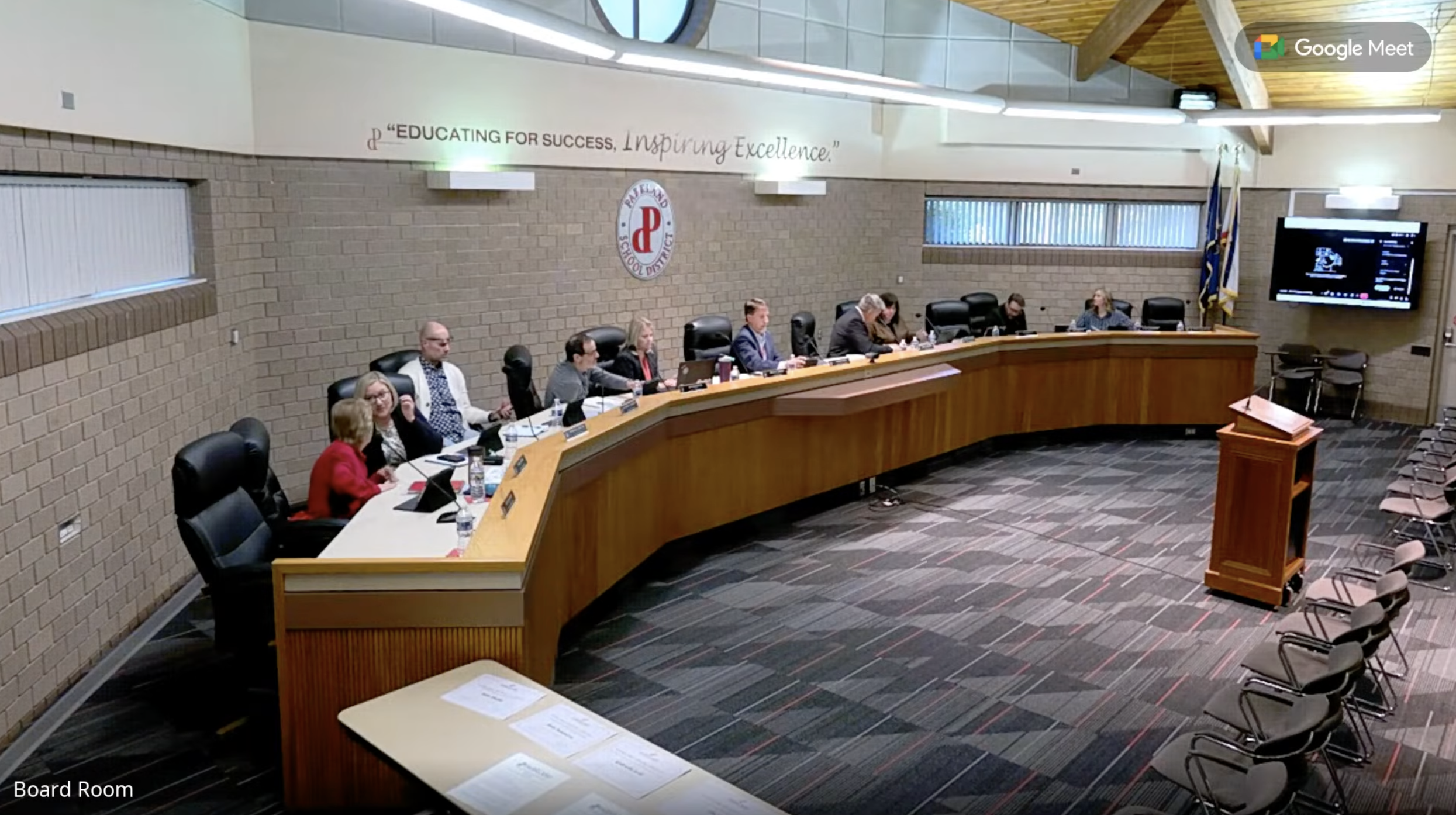
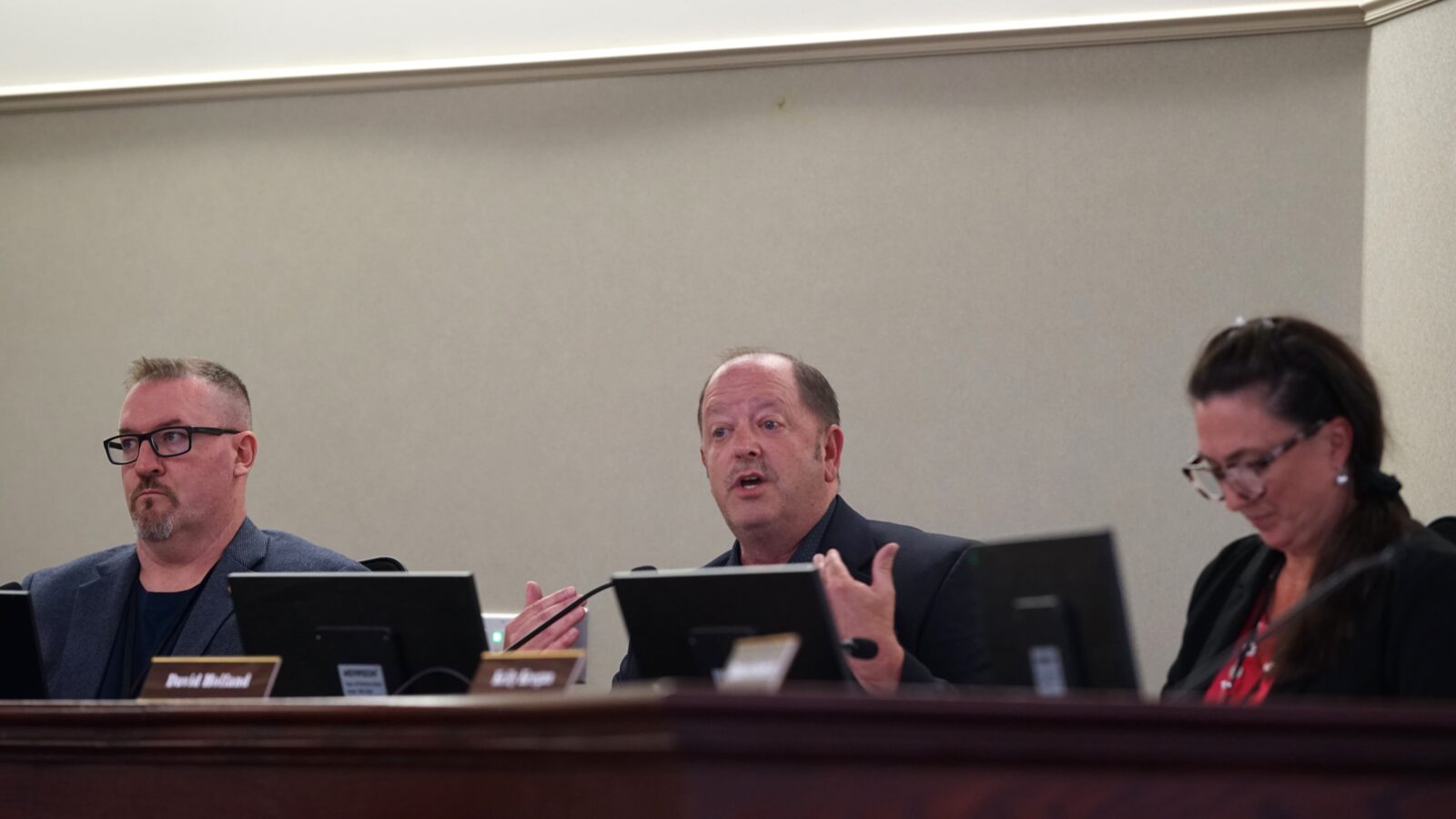
ALLENTOWN, Pa. — Superintendent Mark Madson outlined concerns about the proposed Atlas Data Center project planned across from Parkland High School in South Whitehall Township during a school board workshop on May 12.
Madson described the proposal as “massive,” noting that the development’s footprint would be roughly equivalent to 10 Parkland High Schools.
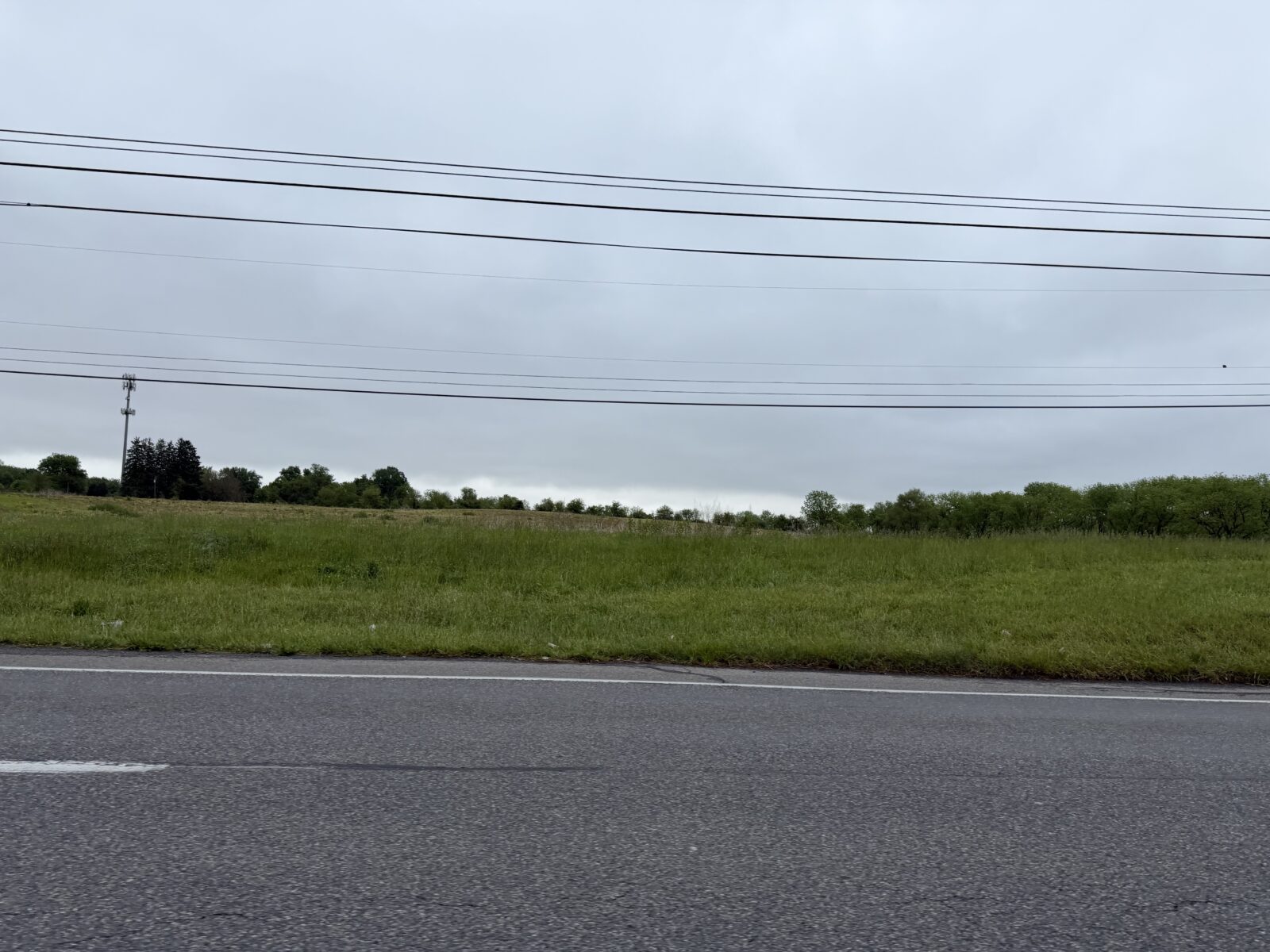
The proposed Project Atlas development spans 5.1 million square feet across more than 400 acres near North Cedar Crest Boulevard, Mauch Chunk Road and Orefield Road. The proposal includes six data center buildings, a dedicated electric substation, backup diesel generators and new roadway infrastructure, according to presentation materials shared during the meeting.

District officials emphasized that the proposal is still preliminary and could change significantly in the coming months.
“We understand that there is a lot of talk about potential changes to this proposal that we believe are going to happen relatively soon,” Madson said. “We felt it was appropriate to bring this to the board and also the public.”
Stay informed on Lehigh Valley building & development
Get the latest building & development news and updates from across the Valley.
By subscribing, you agree to our Privacy Policy and consent to receive updates.
Safety, environmental and infrastructure concerns rise
The presentation organized the district’s concerns into four categories: safety and well-being, environmental impact, community resources and end-user accountability.
Among the district’s biggest concerns are potential noise and vibration impacts due to the project’s proximity to Parkland High School.
The proposal currently includes 356 Tier 2 diesel backup generators along with large cooling systems and electrical infrastructure. District officials said they are concerned about both audible noises and lower-frequency vibrations that could affect the school environment.
“We have a sound study that was done by the developer,” Madson said. “We think there should be a third-party independent sound study.”
The district also raised concerns about traffic and roadway access near the high school campus. Officials noted that the road leading into Parkland High School is privately owned by the district and questioned how increased development and roadway connections could affect traffic flow, student drivers, bus routes and pedestrian safety.
Stay informed on Lehigh Valley building & development
Get the latest building & development news and updates from across the Valley.
By subscribing, you agree to our Privacy Policy and consent to receive updates.
Environmental concerns include soil instability, sinkholes, wastewater infrastructure, and emissions from hazardous materials.
Officials also questioned how the project could affect electricity demand, water consumption, and emergency services.
“We want to make sure that emergency services are fully trained,” Madson said. “If there is a problem or an emergency there, our facility is still accounted for.”
District officials also worry about the uncertainty surrounding the project’s eventual tenant or end user.
“We want to know as a school district, who might be the neighbor,” Madson said. “Will that create any additional concerns?”
District said current proposal is unacceptable
Madson said district administrators have taken several steps to better understand the proposal, including reviewing planning documents, meeting with township officials, attending educational webinars about hyperscale data centers, speaking with community groups and consulting experts.
“We have been very active in monitoring what is happening in South Whitehall,” Madson said. “Community groups have been instrumental in gathering concerns.”
On May 5, Madson sent a letter outlining the district’s concerns to South Whitehall Township Manager Thomas Petrucci, the Lehigh County Authority, PPL Electric Utilities and the project developer.
“Based on what is proposed, we find the proposal to be unacceptable,” Madson said. “Can it be acceptable? Maybe. But the way it’s proposed right now, we find it certainly highly concerning.”
District officials also acknowledged that the property is already zoned for industrial use and that other large-scale development could potentially be built there in the future.
“If it’s not a data center, what else could potentially go in there that might actually be more adverse to the high school and the community?,” Madson asked.
Residents push for stronger public opposition from district officials
Several residents spoke during the meeting, urging the district to take a more active public stance against the project.
Resident Maya Younis questioned whether enough had been done to inform students and families about the proposal.
“The location is clear, the risks are clear, and your silence is clear,” Younis said.
She also argued that the district should formally oppose the project now rather than wait for additional revisions or studies.
“We are running out of time,” Younis said. “We know the district needs tax money, but are tax dollars worth the health and safety of its own students?”
Caren Lowrey, Parkland alum and certified prevention and education specialist for Lehigh Valley schools, raised concerns about student well-being and long-term quality of education.
“As someone who works with students every day, I can tell you firsthand that today’s children are already facing enormous challenges,” Lowrey said. “Anyone who works with children understands that constant industrial noise affects concentration, stress levels, communication, learning, environments, and overall quality of life. This is simply not a zoning issue. This is a student impact issue.”
Lowrey also pointed to unanswered questions about noise, traffic, infrastructure and the long-term environmental and health impacts of placing facilities directly next to schools and recreational spaces.
“Parents deserve answers, students deserve advocacy and this community deserves to know that the well-being of its schools is being treated as a priority before decisions are made that can not be undone,” she said.
In response to public concerns, school board director Jon Macklin said district officials are actively reviewing community feedback and communicating concerns surrounding the proposal.
“The board takes these concerns seriously,” Macklin said. “We are working to make sure we voice appropriate concerns where appropriate.”
District praised township overlay regulation development
During his presentation, Madson praised South Whitehall Township’s Planned Innovation, Research and Technology, or PIRT, overlay district, which established stricter standards for potential data center development in the area.
Township officials spent years developing these regulations to address setbacks, landscaping, buffering and other mitigation measures for projects of this scale.
“The parameters that the township has put around this overlay district are some of the strictest in the state,” school board President David Hein said.
School board members emphasized that many details of the proposal remain uncertain or subject to change.
District officials said they plan to continue monitoring the project, communicating with township officials and the developer, gathering community feedback and reviewing any revised plans submitted later this summer.
Stay informed on Lehigh Valley building & development
Get the latest building & development news and updates from across the Valley.
By subscribing, you agree to our Privacy Policy and consent to receive updates.